
5 Small Spaces That Feel Huge (And Nobody Believes How Cheap They Were)
Your apartment is 45 square meters. Your friend’s is 90. But when people visit yours, they ask the same question: “Wait — is this the whole place? It feels so much bigger.”
That’s not luck. It’s five specific things. None cost more than $40. None require a drill. And they work in any room under 15 square meters.
Here’s what they are.
1. Hang Your Curtains at the Ceiling
This one change does 80% of the work. Most people hang curtains 5cm above the window. That makes the ceiling feel low and the room feel boxed in.
Move the rod all the way up. As close to the ceiling as you can. Let the fabric fall past the window frame and pool slightly on the floor — 2-3cm is enough.
What this does: it creates one continuous vertical line from ceiling to floor. Your brain reads that line as “tall room.” It’s the same trick hotels and restaurants use to make cramped spaces feel open.
Cost: Free if you already own curtains. If not, a pair of natural linen panels in cream or soft white runs $30–$45. Hem them with iron-on tape — four minutes, no sewing.
2. Use One Large Rug Instead of Several Small Ones
Small rugs scattered around a room make it feel choppy and smaller — like the floor is divided into tiny zones. One large rug pulls everything together and makes the floor read as one continuous surface.
For a small living room or bedroom, go 160×230cm minimum. The front legs of your main furniture pieces should sit on it. If they’re floating on bare floor, the room looks disconnected.
Material matters here: natural jute or flatweave cotton in a warm neutral tone. Avoid dark colors — they absorb light and make the floor feel heavy. Light beige, natural tan, or soft cream opens the floor up.
Cost: $35–$60 for a quality jute rug in this size on Amazon.
3. Paint One Wall (Not All of Them)
Full-room painting in a small space is risky — if you pick wrong, the whole room feels cramped. One accent wall is safer, cheaper, and creates depth that makes the room feel deeper.
The trick: paint the wall furthest from the door. That’s the back wall, the one you see last when you walk in. A darker or warmer tone on that wall creates an illusion of the room extending beyond it.
Spring 2026 colors that work: dusty terracotta, warm sage, or soft butter yellow. Test a 10×10cm sample first — paint looks completely different on a wall than it does on a screen.
Cost: One tester pot is $5–$8. One gallon of wall paint is $25–$35. Total: under $40.
4. Add One Mirror Opposite a Window
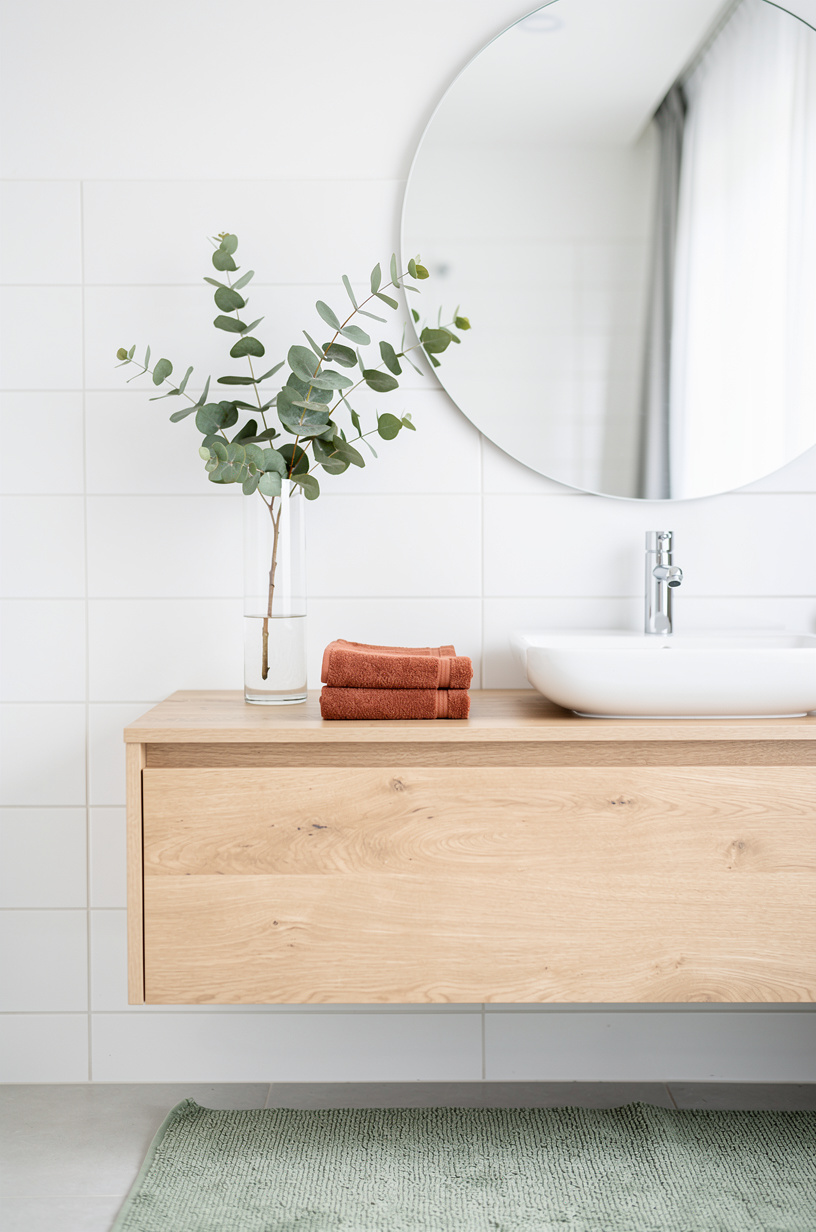
This is physics, not decoration. A mirror opposite a window reflects natural light back into the room and creates the visual illusion of a second window — or even a second room beyond the wall.
Size matters: go as large as the wall allows. A 60×80cm mirror in a small bathroom or a 80×120cm mirror in a bedroom makes the biggest impact. Round mirrors feel softer; rectangular mirrors feel more structured.
Frame choice for 2026: thin brass or natural rattan. Both add warmth without visual weight. Avoid thick dark frames — they read as heavy and make the wall feel smaller.
Cost: $25–$50 for a large mirror. Skip the $200 designer versions — the effect is identical.
5. Keep 70% of Every Surface Empty
This is the hardest rule and the most important one. Every surface in a small room is valuable real estate. If it’s covered in stuff, the room feels cluttered regardless of how big it actually is.
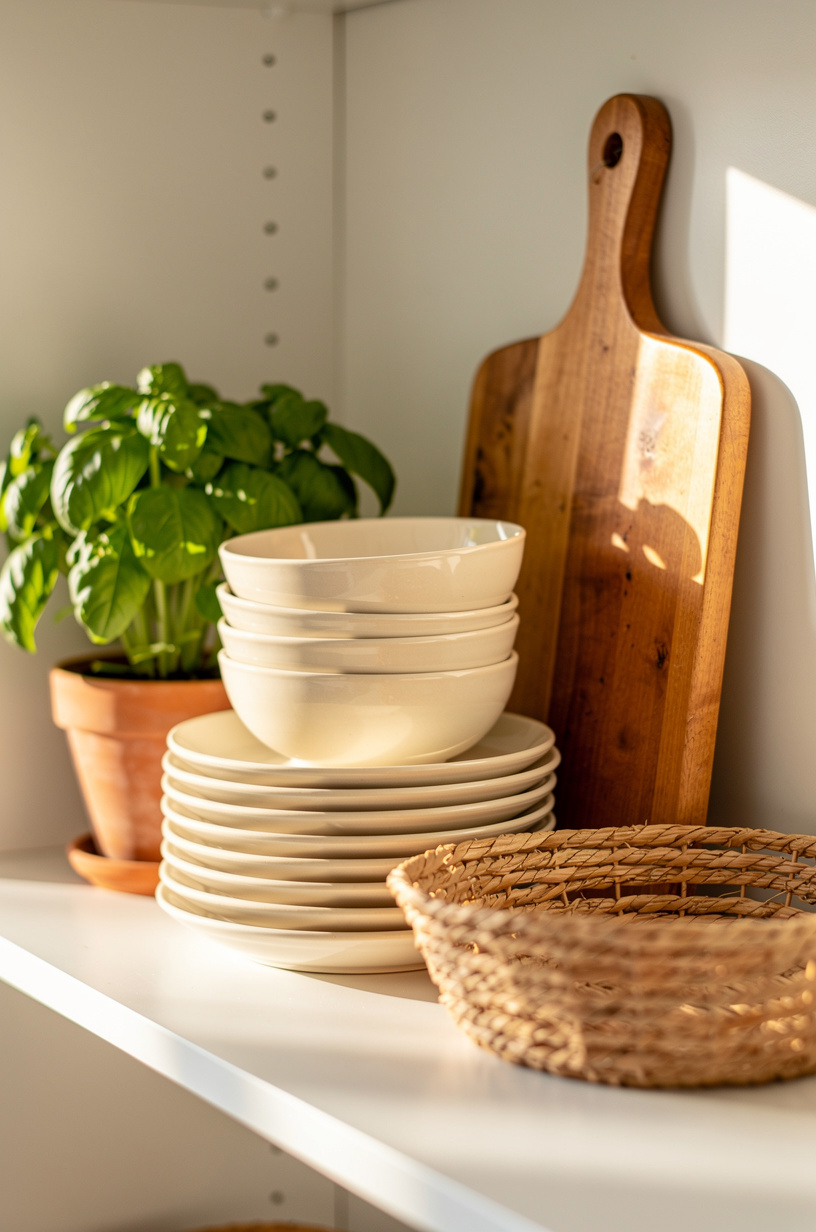
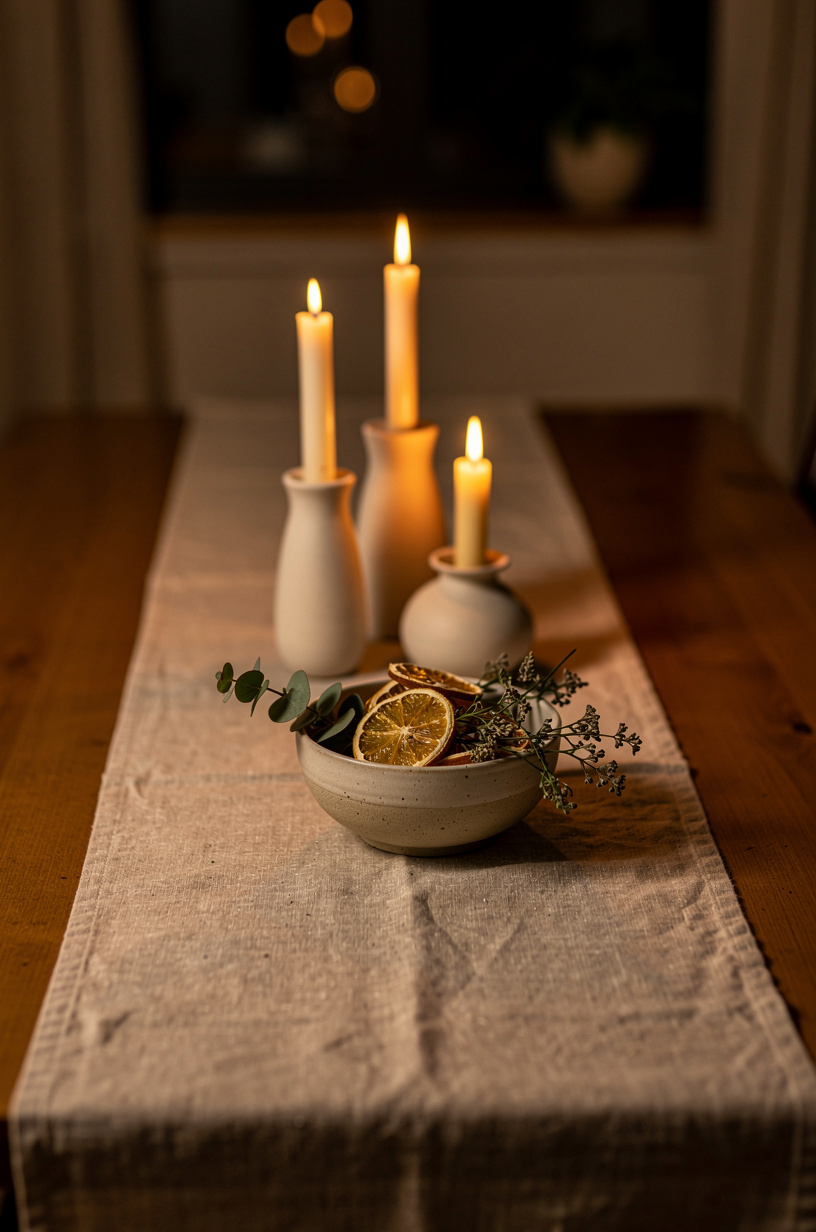
The rule: no more than three objects per surface. On a shelf: one vase, one stack of books, one small plant. On a coffee table: one tray, one candle, one bowl. Everything else goes in a drawer or a basket.
The objects you DO display should be intentional — a ceramic vase, a bound book, a potted plant. Not mail, not chargers, not random clutter. The contrast between the few beautiful things and the empty space around them is what reads as “expensive” and “spacious.”
Cost: $0. This one’s free. Just move things into drawers.
The Small Room Checklist
| Technique | Cost | Time |
|---|---|---|
| Curtains at ceiling | Free–$45 | 20 min |
| One large rug | $35–$60 | 5 min |
| One accent wall | $30–$40 | 2 hours |
| Mirror opposite window | $25–$50 | 10 min |
| 70% empty surfaces | Free | 30 min |
| Total | $90–$195 | ~3 hours |
Pick two for this weekend. The room will look completely different by Monday morning.
Keep Reading
- 7 Spring Swaps That Make Your Living Room Look $10,000 More Expensive
- How to Style a Gallery Wall Without Measuring Anything
- The $12 Fix That Makes Any Room Feel Finished
CozyHouse Decor — honest home advice for real budgets.
Share this article